Emotional intelligence is the ability to understand, manage, and use emotions effectively. For parents considering daycare, it’s important to know that a quality daycare does more than provide supervision. It can be a nurturing environment that helps children build emotional intelligence, develop social awareness, and form healthy friendships. In this article, we will explore how daycare supports emotional and social growth, what to look for in a daycare, and how parents can work with educators for the best results.
What Is Emotional Intelligence and Why It Matters Early
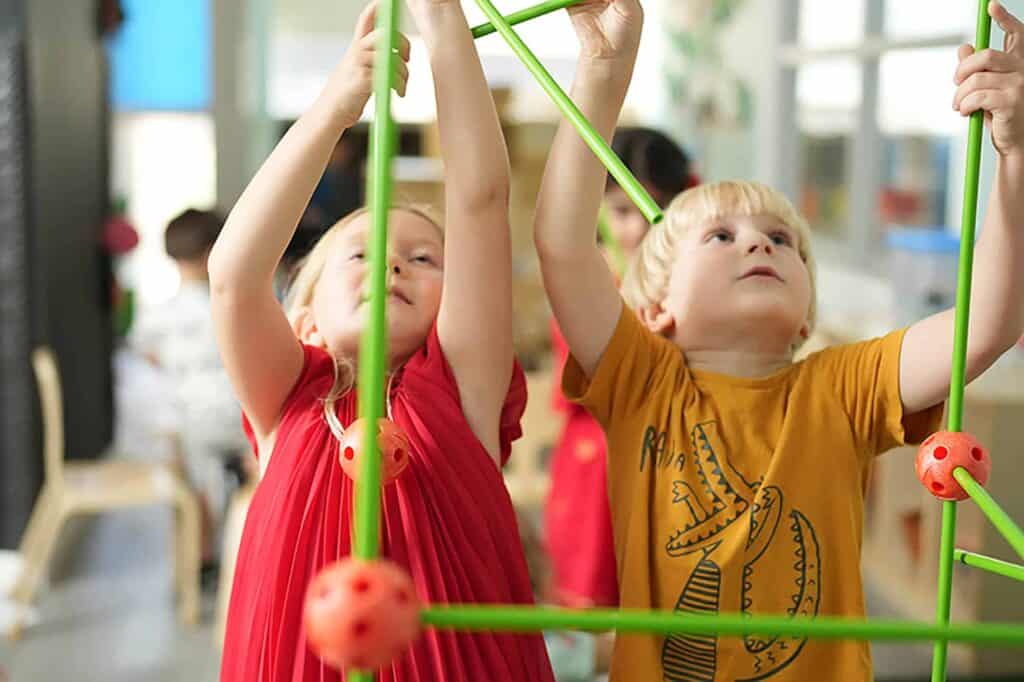
Emotional intelligence, also known as EQ, includes the ability to:
- Recognize and understand personal emotions
- Manage and regulate feelings
- Recognize and empathize with others
- Communicate effectively, cooperate, resolve conflicts, and build relationships
Early childhood is a period of tremendous emotional and social growth. Foundational patterns, such as how children respond to stress, interact with peers, and express emotions, are established during this time. Developing strong emotional intelligence early supports mental health, social relationships, academic readiness, resilience, and lifelong well-being. For more details, see this guide to understanding early childhood emotional intelligence.
How Daycare Supports Emotional and Social Development
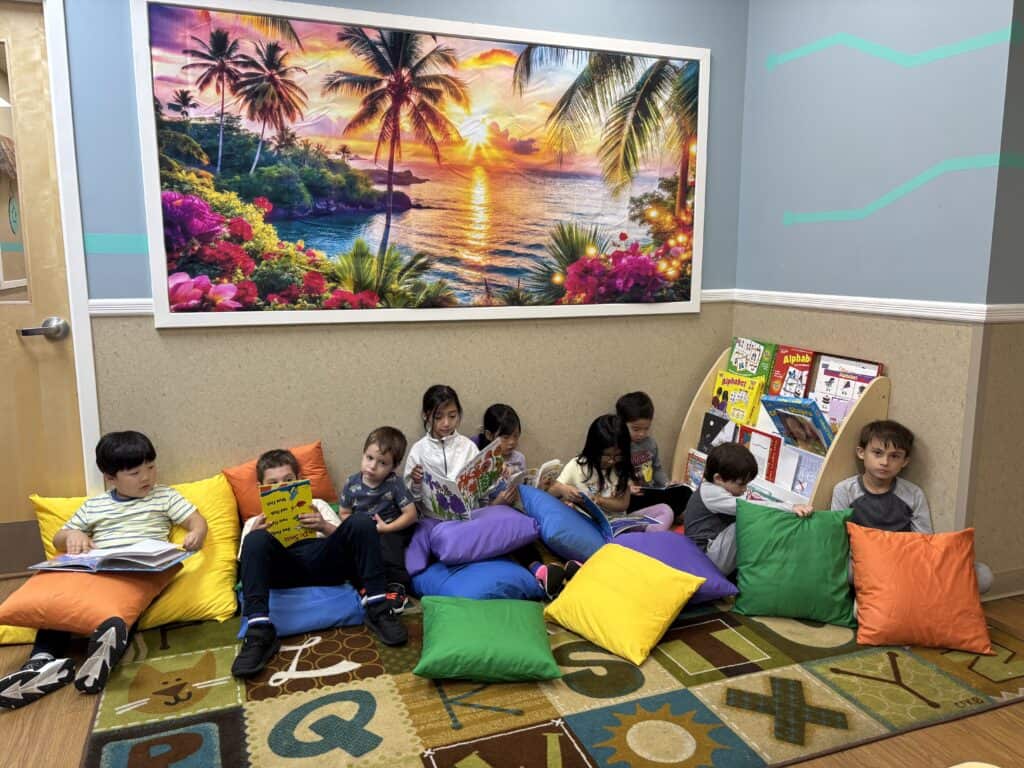
Regular Peer Interaction Builds Social Skills and Empathy
Daycare provides frequent opportunities for children to interact with peers, sharing, taking turns, cooperating in games, and negotiating roles. These interactions help children develop empathy, cooperation, and social understanding.
Structured Guidance from Educators Encourages Emotion Regulation
Quality daycare programs often include Social-Emotional Learning (SEL) activities, helping children identify, express, and manage emotions. Activities can include storytelling, role-play, group discussions, or calm spaces for reflection. Caregivers guide children by naming emotions, modeling calm behavior, and teaching conflict resolution. Read this article on social-emotional learning in daycare.
Exposure to Diversity and Group Settings Teaches Adaptability
In daycare, children interact with peers from different backgrounds. Learning to navigate this diversity promotes social awareness, flexibility, and empathy. For more insight, visit how daycare fosters social development.
Structured Routine Provides Emotional Security
A predictable routine with consistent caregivers gives children a sense of safety. This emotional security allows children to express themselves freely, form friendships, and build confidence.
Real-Life Benefits for Children

Children in quality daycare programs often experience:
- Greater self-confidence and self-esteem through successful emotional expression and conflict resolution
- Stronger friendships and communication skills
- Improved self-regulation, resilience, and coping strategies
- Better school readiness and adaptability
- Long-term benefits including empathy, effective communication, and strong social skills
For additional research on social skills development, see this peer-reviewed study on social skills training in childcare.
What to Look for in a Daycare in NYC

When choosing a daycare, especially in Midtown West, NYC, look for the following qualities:
- Low caregiver-to-child ratio: Ensures individual attention and emotional support
- Staff trained in social-emotional development: Promotes effective emotional learning
- Structured SEL activities and group play: Supports social and emotional growth
- Inclusive and diverse environment: Encourages empathy and understanding of differences
- Parent-teacher communication: Helps parents continue emotional learning at home
Explore our programs at Star A Brilliance to see how we incorporate social-emotional learning into daily routines.
How Parents Can Reinforce Emotional Growth at Home

Parents can support emotional intelligence development by:
- Talking with children about their day and feelings
- Encouraging empathy and emotional vocabulary using books or feeling charts
- Modeling healthy emotional expression
- Providing opportunities for group play outside daycare
- Maintaining communication with daycare teachers about social-emotional progress
Learn more about our after-school programs and summer camp programs that complement daycare in fostering emotional growth.
Addressing Common Concerns
Some children may initially feel shy, anxious, or struggle to adjust. Choosing a quality daycare ensures children receive care and guidance to overcome these challenges. Daycare complements parental involvement, enhancing emotional learning both at home and in the classroom.
Conclusion
Daycare is more than a childcare solution. It is a nurturing environment where children learn to understand emotions, develop friendships, manage feelings, and build empathy. These skills lay the foundation for lifelong social and emotional well-being. For more information about our daycare services, visit Star A Brilliance or contact us today.